Column · @johnnyfyfk087
The Complete Guide to Cleaning Concrete in Rockhampton
Concrete driveways, patios and paths are durable, but they still need regular care. In Rockhampton, summer rain, humidity, strong sunshine and windblown dirt can leave outdoor surfaces stained or slippery. Effective cleaning removes contamination without damaging the concrete, nearby gardens or surrounding waterways.
This guide explains how to clean concrete safely, deal with common stains and decide when professional cleaning is worthwhile.
Why Rockhampton Concrete Needs Regular Cleaning
Dirt, leaf litter and vehicle residue gradually build up on outdoor concrete. During humid or wet weather, algae can develop on shaded paths, around downpipes and beneath vegetation. These areas can become slippery, particularly when wet.
Inspect your concrete every few months and after heavy rain. Many household surfaces benefit from a thorough clean every six to twelve months, but shaded, heavily used or poorly drained areas may need attention more often.
Check the Surface Before You Start
Not all concrete tolerates the same cleaning method. Plain concrete, exposed aggregate, coloured concrete and sealed decorative finishes can respond differently to pressure and chemicals. Check any available manufacturer or installer instructions first.
Look for cracks, loose aggregate, flaking surfaces and deteriorating joints. Cleaning does not repair these problems, and excessive pressure can make them worse. Newly poured concrete also needs adequate curing time before aggressive cleaning or chemical treatment; ask the installer rather than relying on a fixed waiting period.
How to Clean Concrete Safely
- Clear and sweep the area. Remove furniture, vehicles, loose dirt and leaves. Protect nearby plants, electrical fittings and surfaces that could be damaged by spray.
- Plan wash-water collection. Identify drains and low points before starting. Use suitable barriers, wet-vacuum equipment or professional recovery methods where needed.
- Pre-treat visible stains. Apply a cleaner labelled for your concrete finish and the type of contamination. Follow its dilution and contact-time instructions, and do not let it dry on the surface.
- Scrub where necessary. A stiff nylon-bristle brush can loosen dirt and help detergents work without relying on excessive water pressure.
- Wash using the least aggressive effective method. Test a small, inconspicuous patch first. If pressure washing, start with a wide spray pattern and a generous working distance, keeping the nozzle moving.
- Recover residue and allow the surface to dry. Collect contaminated wash water appropriately and inspect the dry concrete before deciding whether another treatment is necessary.
Choosing the Right Treatment for Common Stains
Oil and Grease
For fresh spills, use a suitable absorbent material to lift excess oil before washing. Sweep it up for appropriate disposal, then apply a concrete-compatible degreaser and scrub as directed. Older oil stains may need repeated treatment or a specialist poultice because oil penetrates porous concrete. Complete removal is not always possible.

Algae and Organic Growth
Use a product specifically labelled for removing algae or organic growth from masonry. Protect vegetation and follow all safety directions. Never mix cleaning chemicals, particularly chlorine-based products with acids or ammonia. Improving drainage and reducing persistent shade can help slow regrowth.
Rust, Leaf Marks and White Deposits
Rust and tannin stains often need targeted cleaners rather than stronger pressure. White powdery deposits may be efflorescence: salts carried to the surface by moisture. Recurring deposits warrant investigation of the moisture source. Avoid treating unidentified marks with acid, which can etch concrete, affect colour and damage adjacent materials.
Pressure Washing: Avoiding Surface Damage
There is no single safe pressure setting for every concrete surface. Concrete condition, nozzle type, distance and equipment flow rate all affect the result. A narrow jet or nozzle held too close can leave permanent lines, expose aggregate or strip a coating.
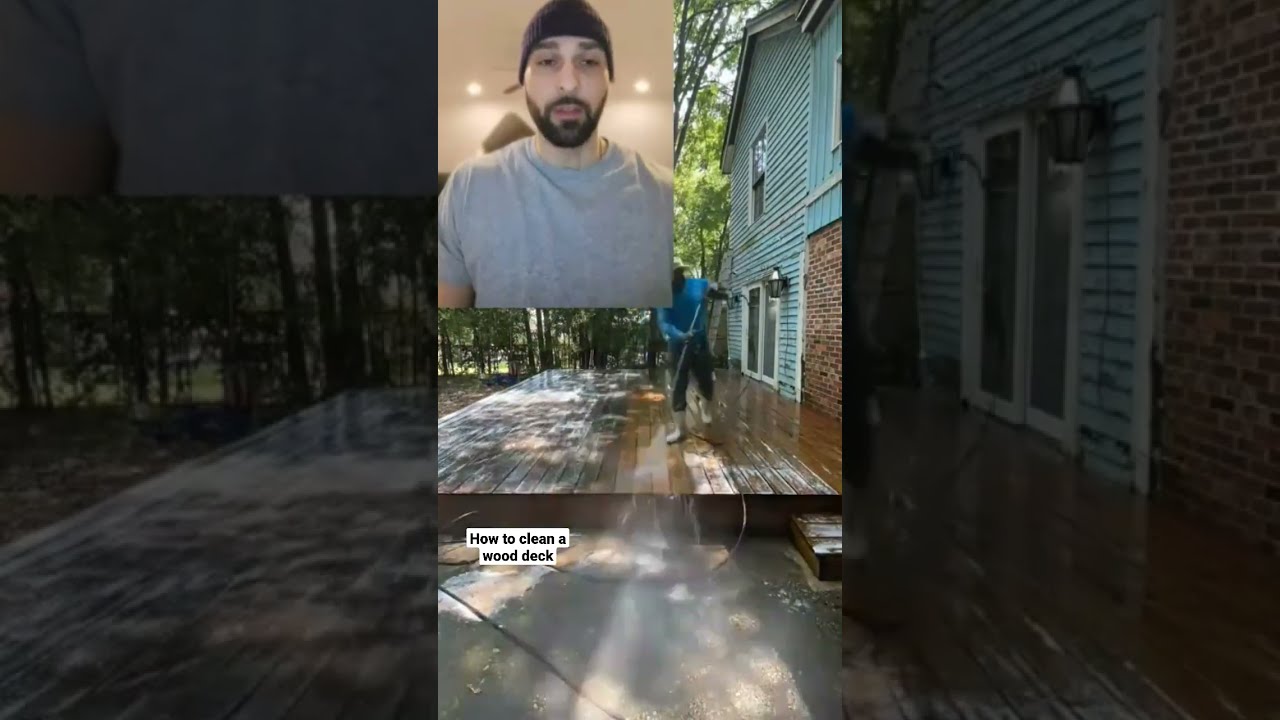
A compatible surface-cleaning attachment can produce a more even finish on larger areas, but it still requires correct setup and technique. Wear eye protection, enclosed non-slip footwear and any additional protective equipment specified for the cleaner. Keep people and pets away, and never direct a pressure-washer jet at skin.
Managing Runoff in Rockhampton
Do not wash oil, detergents, sediment or other contaminated water into gutters or stormwater drains. Stormwater can carry pollution into local waterways, including the Fitzroy River system. A cleaner labelled biodegradable is not automatically safe to discharge into a drain.
In Queensland, environmental duties apply to preventing pollution. Check current Rockhampton Regional Council guidance and any applicable water restrictions before starting. Do not assume collected wash water can enter the sewer; disposal may require approval or a specialist waste service, particularly for commercial work.
When to Hire a Professional Concrete Cleaner
Professional cleaning is worth considering for large driveways, extensive algae, stubborn oil https://ricardotuim901.silverstonebrief.com/posts/what-happens-to-wastewater-during-a-pressure-cleaning-job contamination, decorative finishes or sites where runoff is difficult to contain. When comparing local providers, ask about their experience with your surface, insurance, chemical selection and wash-water recovery arrangements.
Request a clear quote explaining what is included and whether deep stains may remain. A responsible provider assesses the surface first rather than promising that pressure alone will remove every mark.
Keeping Concrete Cleaner for Longer
Sweep regularly, remove leaf litter promptly and address leaking taps or downpipes. Clean vehicle leaks early, and avoid leaving damp pots or mats in one position for long periods.
Sealing may help reduce water and oil penetration, but it is not essential for every surface. Choose a sealer suited to the concrete, outdoor exposure and pedestrian or vehicle use. Some coatings change appearance or wet-weather slip resistance, so discuss suitability before application. With careful cleaning and routine maintenance, Rockhampton concrete can stay safer, cleaner and easier to manage.

Capricorn House Washing
0482 073 600